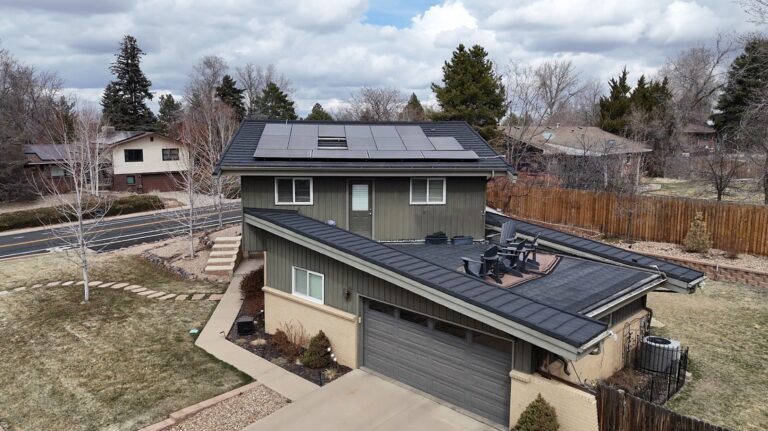
Seasons come and go, but your roof needs to suffer through the extremes that might come with all 4 of them. From the glaring sun beating down during summer to the heavy snow that comes with winter in the Rocky Mountain West, your roof goes through a lot. Small weather-related issues can become very expensive if not addressed properly. In this guide, we’ll provide you with a checklist so you can make sure your roof is prepared for every season.
Key takeaway: Denver homeowners should inspect their roofs at least twice per year, ideally in spring and fall, and schedule a professional inspection after significant hail, wind, or snow events.
Why does seasonal roof maintenance matter in Colorado?
Seasonal roof maintenance matters in Colorado because hail, wind, UV exposure, snow, and freeze-thaw cycles can all damage roofing materials or expose weak spots. Colorado’s climate will accelerate roof degradation compared with “normal” age-related degradation alone. Regular seasonal maintenance allows homeowners to identify potential issues early, while they are still in their infancy. This allows them to save a lot of money in the long term by maintaining their roof for short-term seasonal patterns.
Colorado roof threats by season
| Season | Primary Threats | Common Roof Issues |
|---|---|---|
| Spring | Hail, rain, wind, lingering winter damage | Missing shingles, cracked tiles, flashing damage, leaks |
| Summer | UV exposure, heat, thunderstorms | Material deterioration, ventilation issues, storm damage |
| Fall | Leaves, debris, temperature fluctuations | Clogged gutters, drainage problems, loose seals |
| Winter | Snow, ice, freeze-thaw cycles | Ice dams, water intrusion, excessive snow loads |
Spring roofing checklist
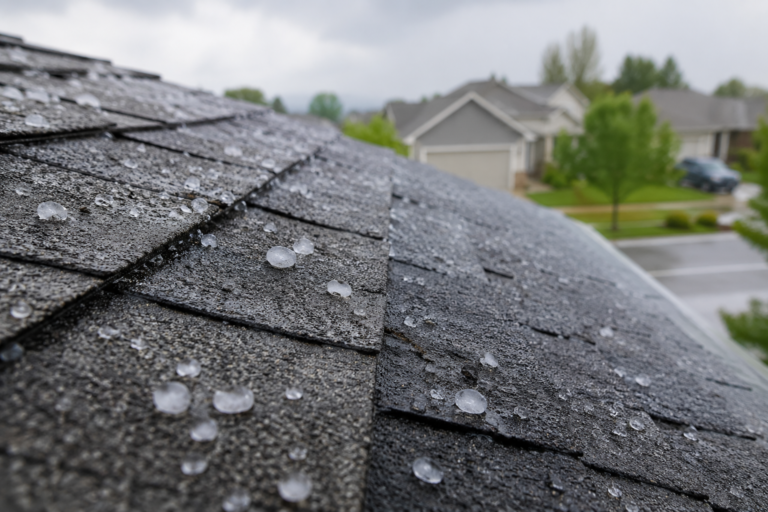
Spring is one of the most important times to check your roof in Colorado. Hailstorms, as well as the first rains of spring, often cause small damage hidden by winter to quickly come to light. After all the snow melts, homeowners need to get on their roofs from the ground and look for evidence of any damage. Pressure washing roofs is also a great way to eliminate future damage.
Inspect for winter damage
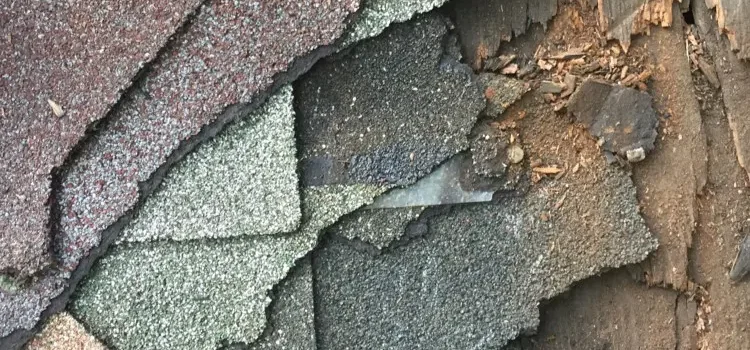
Look for any missing shingles, cracked tiles, bent gutters, loose flashing, or raised sections of the roof that appear uneven. Freezing temperatures followed by thawing will further enlarge hairline cracks in the exterior; therefore, address minor exterior damage before spring’s heavy storms arrive.
Check flashing and roof penetrations
Leaks commonly start at chimney areas, skylights, vents, satellite mounts, and roof valleys. The flashing needs to lie flat and be secure. Evaluate the condition of flashing if you see any rust, lifting, separation, or deterioration prior to heavy rain.
Look for missing shingles or damaged tiles
Wind in the winter can loosen shingle tabs (exposing the shingle underneath), dislodge tile pieces, and/or cause seam separation or fastener loosening on metal roofs. Addressing one issue now, by replacing one piece, is much cheaper than addressing water damage caused when that one issue becomes a larger leak.
Clean gutters and downspouts
Over the course of the winter season, leaves, branches, granules from your asphalt shingle roof, and other debris can build up within your gutter system. To prevent standing water from backing up into your house under the eave area and creating additional moisture problems at the foundation level, make sure your gutters drain freely.
Schedule an inspection after hailstorms
Damage from hail storms is not always visible from the ground. A professional inspection will help identify any “bruising” of shingles, cracking of tiles, denting of vents, and/or damage to flashing prior to these potential issues becoming leaks or causing you insurance headaches.
Spring roof maintenance checklist
| Task | DIY-friendly | Professional recommended |
|---|---|---|
| Ground-level visual inspection | Yes | Optional |
| Clean gutters and downspouts | Yes, if safely accessible | If roofline is high or steep |
| Check flashing and roof penetrations | Limited | Yes |
| Assess hail or storm damage | No | Yes |
Summer roofing checklist
Residential roof maintenance for the summer season in Denver depends on heat, sun exposure, ventilation, and readiness for summer storms. Denver’s high altitude increases UV radiation and causes extreme atmospheric drying. Sudden temperature drops and intense summer afternoon storms will also break down roofing material over time.
Look for sun and UV damage
Denver’s high altitude increases the amount of direct sunlight your home receives. Sunlight can cause UV light to dry out shingles, crack or warp sealants, dull colors, and create cracks or curls. If you notice fading, warping, brittleness, or unevenness in your roof, call a professional roofer to inspect it.
Inspect attic ventilation
If your attic has poor ventilation, it will allow the warmest air to accumulate in the attic, cost you more to cool your house, and put additional stress on your roofing system. Signs of poor ventilation include a very hot attic, musty smells from the attic, water spots in the attic, and early roof aging.
Check for summer storm damage
Heavy rain, hail, strong winds, and other severe weather can damage your roof. Look for shingle granule loss, broken tile(s), dent(s) in your gutter system, loose parts, and/or debris on your roof. Inspect the ceiling and attic space for water spots, wet/damp insulation, and/or musty odor(s).
Trim nearby trees
Trees growing near your roof can scratch the shingles off with branches, drop debris into valleys, and create problems when there are severe weather conditions. Trimming branches away from your home will help prevent damage to your roof, gutters, and drainage areas.
Fall roofing checklist
Fall is a time to prepare your roof for the snow and cold weather in Colorado. Homeowners need to clear debris from their homes before snowfall and freezing temperatures. Check for weak spots on the roof and repair them as soon as possible, as milder weather is expected.
Clear leaves and debris
Debris such as leaves, pine needles, and branches can collect in valleys, gutters, and low-slope areas. When debris collects and retains moisture, it can freeze and expand, increasing the likelihood of damage to your roof.
Inspect your roof before snow season
Find any missing shingles, broken tiles, loose ridge caps, damaged flashings, etc. It is much easier to correct small problems now in the fall, than to wait until the middle of a winter storm.
Seal vulnerable areas
Common places for leaks include chimneys, skylights, vents, and where walls meet. By replacing deteriorating sealants prior to winter, you will help eliminate the potential for water to enter through those same areas once the snow melts.
Check attic insulation and ventilation
Improper insulation and poor ventilation can create uneven melting of snow/ice dams. Look for evidence of moisture, blocked vents, and warm air escaping into your attic.
Inspect gutters and drainage systems
Gutters and downspouts should flow properly prior to winter. A sagging gutter, or one that is clogged or damaged, may allow water to back up onto your home and potentially form ice along the edges of your roof.
As you prepare the exterior of your home for winter, remember that pressure washing is best used on surfaces like siding, walkways, patios, driveways, and other exterior areas, not directly on most roofing materials. If your home also needs exterior cleaning, BuiltPro offers professional pressure washing services to help remove dirt, buildup, and seasonal grime.
Fall roof preparation priorities
- ✓ Clean gutters to help prevent water backup and ice dams.
- ✓ Inspect flashing around chimneys, vents, and roof transitions.
- ✓ Check insulation to reduce heat loss and uneven snowmelt.
- ✓ Verify attic ventilation to control moisture and temperature.
- ✓ Complete needed repairs before winter weather arrives.
Winter roofing checklist
Roof inspections in winter are primarily observational and safety-based. The safest way for homeowners to identify issues with their roofs during winter months is through observation from the ground level; checking for ice dam formation, excessive weight from snow, leaks, or moisture entering into your attic space.
Watch for ice dams
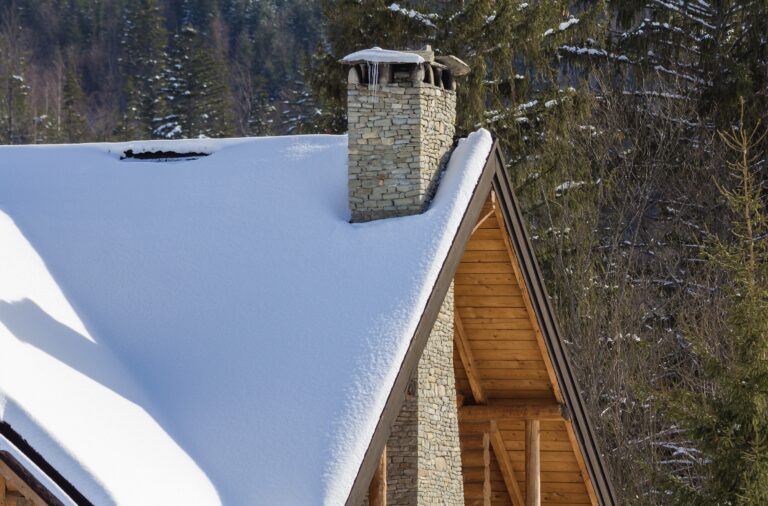
Ice dams form where melting snow has frozen. Check for large icicles hanging off the edges of your home, water marks/stains along lower portions of your home’s exterior walls, or evidence of moisture within your attic insulation. DO NOT attempt to chip ice dams yourself. Chipping them can cause permanent damage to your roofing material(s) and gutters.
Monitor snow accumulation
Heavily loaded wet snow can cause undue strain on an aging home, low-sloped roofs, garage, etc., especially if there are other structural weaknesses present. Call a professional roofer for assistance in safely removing the snow load if you have concerns that it may be too deep or unevenly distributed.
Look for interior warning signs
If you see water spots or discoloration on ceilings, upper wall surfaces, skylight glazing, chimney flashing, or within your attic space, such as bubbled paint, musty odor, or soggy insulation, this could indicate a potential issue that needs to be addressed before further moisture migration occurs.
Avoid walking on snowy roofs
You cannot visually inspect the integrity of your roof while standing on a slippery surface covered by ice/snow. Leave all roof access to trained professionals.
Quick seasonal roof checklist
- Look for hail marks, missing shingles, and cracked tiles.
- Check flashing, gutters, and downspouts.
- Schedule an inspection after major hailstorms.
- Inspect attic ventilation and roof surface aging.
- Look for wind, hail, or rain damage after storms.
- Trim overhanging tree branches.
- Clean gutters and remove roof debris.
- Seal vulnerable areas around vents and flashing.
- Complete small repairs before winter weather arrives.
- Watch for ice dams and heavy snow buildup.
- Check ceilings and attic spaces for moisture.
- Avoid walking on snowy or icy roofs.
Common roof maintenance mistakes homeowners make
Roof maintenance does not have to be complicated, but certain mistakes can make problems worse. Many homeowners wait until they see a leak before calling a roofer. By then, water may have already damaged decking, insulation, drywall, or framing.
| Mistake | Why It Matters |
|---|---|
| Ignoring small leaks | Small stains can signal larger hidden water damage. Quick inspections help prevent bigger repairs. |
| Delaying storm damage inspections | Hail and wind damage may not be visible right away. Waiting can lead to more expensive problems. |
| Walking on tile, slate, or steep roofs | Some roofing materials crack easily under foot traffic, especially tile and slate. |
| Forgetting about gutters | Clogged gutters can trap water near the roof edge and increase moisture damage. |
| Skipping annual inspections | Annual inspections can catch smaller problems before they turn into major repairs. |
DIY roof maintenance vs. professional inspections
Homeowners can safely handle some basic roof maintenance tasks, especially from the ground. However, climbing onto the roof, diagnosing hail damage, repairing flashing, or removing ice dams should generally be left to professionals. The goal is to know what you can safely monitor yourself and when it makes sense to call an expert.
The most effective roof maintenance strategy combines regular homeowner awareness with professional inspections when specialized knowledge or safety concerns are involved.
How maintenance affects roof lifespan
Roof maintenance does not make a roof last forever, but it can help homeowners get more value from the roof they already paid for. Small repairs, proper drainage, adequate ventilation, and early detection of storm damage can all help prevent premature failure.
A roof that is never inspected may still look fine from the street while hidden damage develops underneath. Regular maintenance helps protect the roof deck, attic, insulation, and interior finishes from avoidable water damage.
| Roof type | With regular maintenance | Without regular maintenance |
|---|---|---|
| Asphalt shingles | 25 years | 15 years |
| Metal roofing | 60 years | 40 years |
| Clay tile | 100 years | 70 years |
| Concrete tile | 75 years | 50 years |
Why Denver homeowners trust Forest Roofs for seasonal roof inspections
Forest Roofs understands how Colorado weather affects residential and commercial roofing systems. From spring hail damage to winter leaks, our team helps homeowners identify roof problems early and make informed decisions about roof maintenance and repair.
We believe a good roof inspection should be clear, honest, and useful. If your roof only needs a small repair, we will let you know. If there are larger issues that need attention, we will explain what we found and walk you through your options.
Our team helps homeowners throughout Denver and surrounding Colorado communities with seasonal roof inspections, storm-damage assessments, roof repairs, insurance-related roofing work, and full roof replacements.
Schedule your seasonal roof inspection
Your roof protects everything underneath it. If it has been more than a year since your last inspection, or if your home recently went through hail, wind, snow, or heavy rain, now is a good time to have it checked.Contact Forest Roofs today to request your free inspection and estimate for roof repair, maintenance, or replacement.
FAQ
What season is best for roof maintenance?
Denver’s spring and fall seasons are typically the best seasons for roof inspections. Spring is a good time to check your roof for damage from winter storms and potential early-summer storms. Fall is a good time to prepare your roof for the coming winter by identifying any prior damage caused by snow, ice, and frost.
Can hail damage a roof without causing leaks?
Yes, hail can cause extensive damage to a roof, even when it does not create a leak. The hail may bruise some shingle products, crack tile, dent some vents, or reduce the strength of other roofing products before an apparent leak forms.